


Rishikesh, often hailed as the yoga capital of the world, is not only a hub for spiritual seekers and adventure enthusiasts but also a treasure trove of cultural and historical landmarks. At the heart of this vibrant city stands Ram Jhula, an architectural marvel and an enduring symbol of Rishikesh’s spiritual legacy. In this blog, we explore the fascinating history, unique architecture, and the vibrant experiences that surround this iconic suspension bridge.
A Glimpse into History and Spiritual Significance
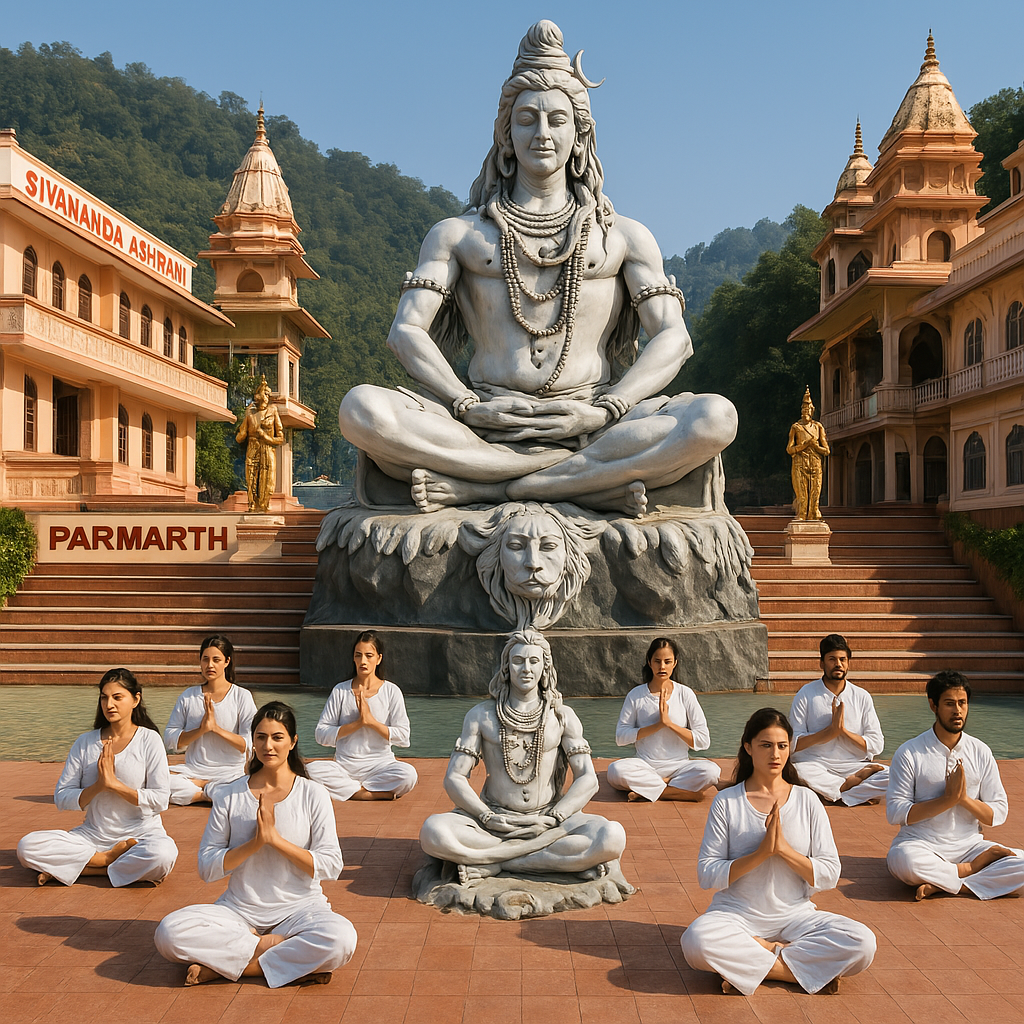
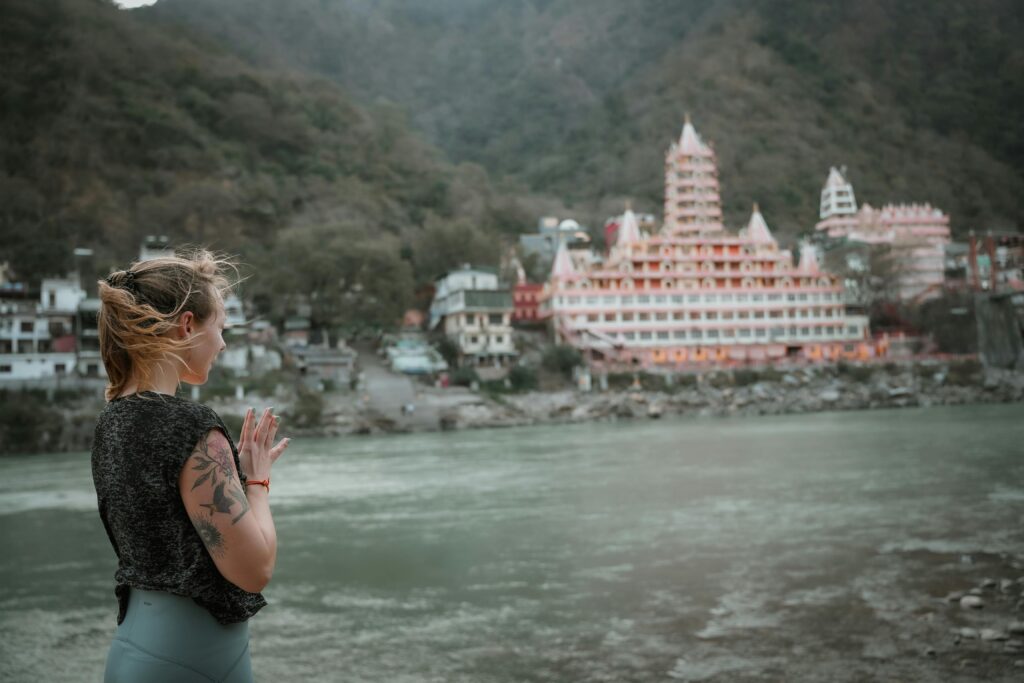
The story of Ram Jhula is intertwined with the rich mythology and cultural heritage of India. Traditionally believed to have been named after Lord Rama, this bridge is a pilgrimage site that reflects the spiritual fervor of the region. While many visitors also encounter Laxman Jhula nearby—another suspension bridge with its own legends—Ram Jhula remains a focal point for rituals and cultural gatherings.
Over time, the area has evolved into a destination where ancient traditions meet modern-day spiritual tourism. Whether you are drawn by the history of Ram Jhula history or the vibrant energy of Rishikesh tourism, the bridge is a starting point for many transformative journeys.
Architectural Marvel: Design and Construction
The engineering behind Ram Jhula is as intriguing as its spiritual allure. Constructed to connect the two banks of the sacred Ganga River, the bridge’s design is both functional and symbolic. Its suspension style not only represents a feat of local ingenuity but also reflects the seamless blend of nature and human creativity.
Modern travelers looking up Rishikesh travel guide tips will notice that the structure’s design accommodates both the practical need for connectivity and the aesthetic desire to harmonize with the natural beauty of Uttarakhand. The view of the river Ganga from the bridge is a constant reminder of the region’s spiritual essence, further enhanced during the mesmerizing Ganga Aarti ceremonies held nearby.
Beyond the Bridge: Exploring the Surroundings
A visit to Ram Jhula is best complemented by exploring the surrounding attractions:
- Local Markets and Cafés: Stroll through the bustling streets of Rishikesh where local vendors offer handmade crafts and spiritual souvenirs. Modern travelers often search for Rishikesh hotels and eateries that provide an authentic taste of local cuisine.
- Adventure and Nature: For those inclined towards adventure, the area around Ram Jhula offers opportunities for river rafting, trekking, and even bungee jumping. Keywords like Rishikesh adventure frequently appear in travel guides, underscoring the region’s appeal to thrill-seekers.
- Cultural Events and Festivals: The calendar in Rishikesh is filled with vibrant festivals and cultural events that celebrate both ancient traditions and contemporary art forms, making every visit a unique experience.
Best Time to Visit and Practical Tips
Planning your trip to Ram Jhula involves understanding the best times to visit and the practical aspects of travel in Rishikesh:
- Best Time to Visit Rishikesh: Generally, the months from September to November and February to April are ideal. The weather is pleasant, and you can enjoy both outdoor adventures and spiritual retreats without the extreme heat or cold. Travelers often search for best time to visit Rishikesh to make the most of their trip.
- Travel Essentials: Whether you are a solo traveler or part of a group, consider booking accommodations early, as Rishikesh tourism is booming. Look up local guides for authentic experiences and check out recent reviews to secure the best deals.
- Cultural Etiquette: Respect for local customs is paramount. When visiting places of worship or participating in rituals such as Ganga Aarti, dress modestly and be mindful of local traditions.
Conclusion
Ram Jhula in Rishikesh is more than just a suspension bridge—it is a doorway to a deeper understanding of India’s spiritual heritage, a beacon for spiritual tourism, and a canvas on which ancient traditions merge with contemporary lifestyles. Whether you’re exploring Ram Jhula, planning a yoga retreat in Rishikesh, or embarking on an adventure in Uttarakhand, this iconic landmark offers something for every traveler.
Embrace the blend of culture, spirituality, and adventure that defines Rishikesh, and let the journey to Ram Jhula be a memorable chapter in your travel diary. Happy exploring!
What is Ram Jhula?
Ram Jhula is a well-known iron suspension bridge in Rishikesh that has become an iconic symbol of the city’s deep spiritual and cultural heritage. It is named in honor of Lord Rama and serves as a prominent landmark for both locals and visitors.
Where is Ram Jhula located?
Ram Jhula is situated in the heart of Rishikesh, Uttarakhand, India. It spans the sacred River Ganga and connects the Sivananda Nagar area (near Muni Ki Reti) to the Swargashram region, which is lined with temples, ashrams, and vibrant local markets.
When was Ram Jhula built?
Constructed in the mid-1980s—specifically around 1986—Ram Jhula has stood for decades as a significant infrastructural and cultural landmark in Rishikesh.
How long is Ram Jhula?
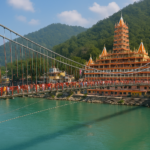
The bridge extends to roughly 450 feet in length, offering expansive views of the Ganga and the surrounding natural beauty.
Are vehicles allowed on Ram Jhula?
Ram Jhula is primarily designed for pedestrians and, at times, for two-wheelers. However, its usage can be subject to restrictions, especially during periods of maintenance or safety concerns.
What is the best time to visit Ram Jhula?
For a comfortable and enjoyable experience, it’s best to visit during the cooler months—from October to March. These times offer pleasant weather, and early mornings or evenings provide magical views, including the serene sunrise and the spiritually charged Ganga Aarti ceremonies nearby.
How do I reach Ram Jhula?
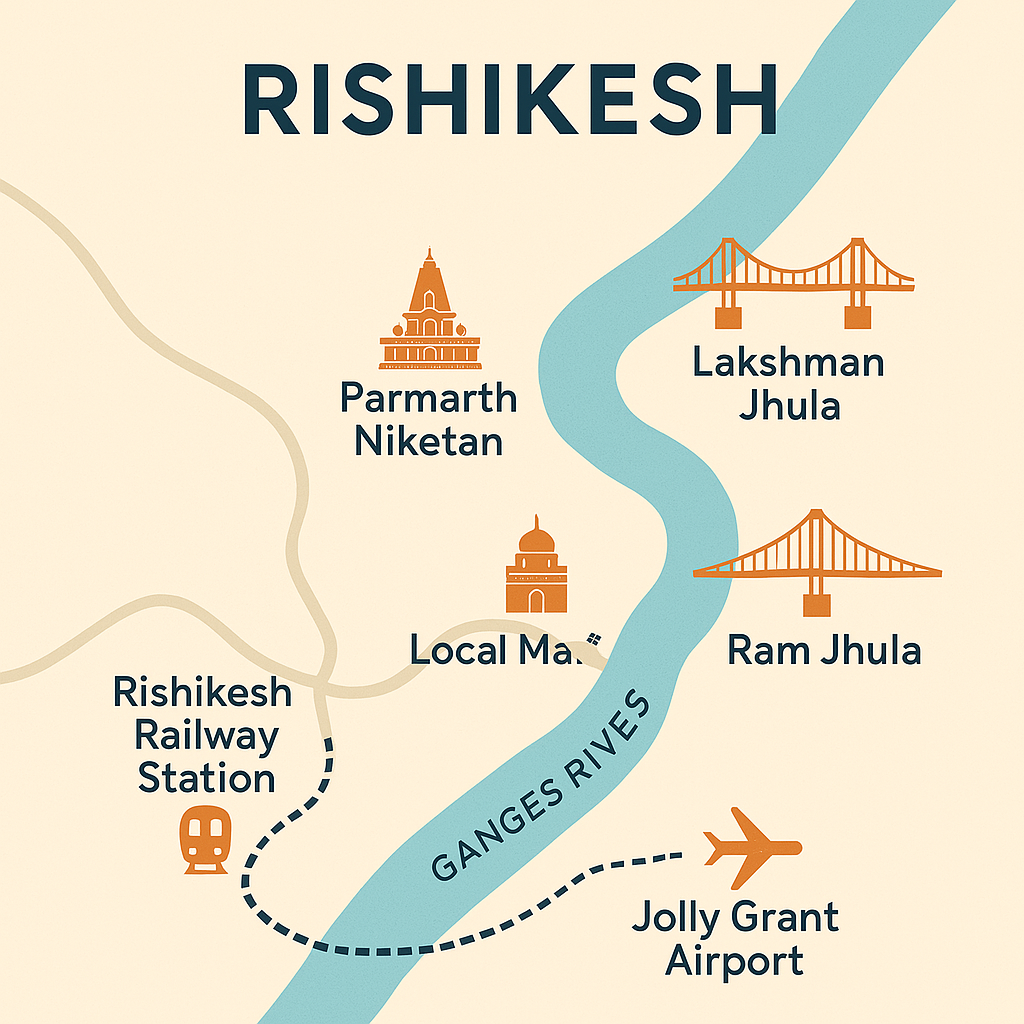
Rishikesh is accessible by multiple modes of transport. Visitors can take a taxi or an auto-rickshaw from the city center or the nearby Rishikesh Railway Station. Additionally, the closest airport is Jolly Grant Airport in Dehradun, which is approximately 22 kilometers away.
What are the nearby attractions around Ram Jhula?
The area around Ram Jhula is rich with attractions. Notable sites include another famous suspension bridge, Lakshman Jhula; several ashrams such as Parmarth Niketan and Swarg Ashram; and a host of temples and local markets where visitors can explore spiritual artifacts and traditional handicrafts.
Is Ram Jhula safe to visit at night?
While Ram Jhula is open 24 hours, it is generally advisable to visit during daylight for better visibility and safety. If you choose to visit at night, exercise extra caution due to limited lighting and fewer people around.
Are there any entry fees to cross Ram Jhula?
There is usually no fee to simply walk across Ram Jhula. However, some of the nearby attractions or specific activities in the area may have their own charges.


Leave a Reply